Violin Lessons in Penang: When Is a Good Age to Start?
Wondering when your child should begin violin? Explore readiness, routines and practical questions for a confident, child-centred start in Penang.
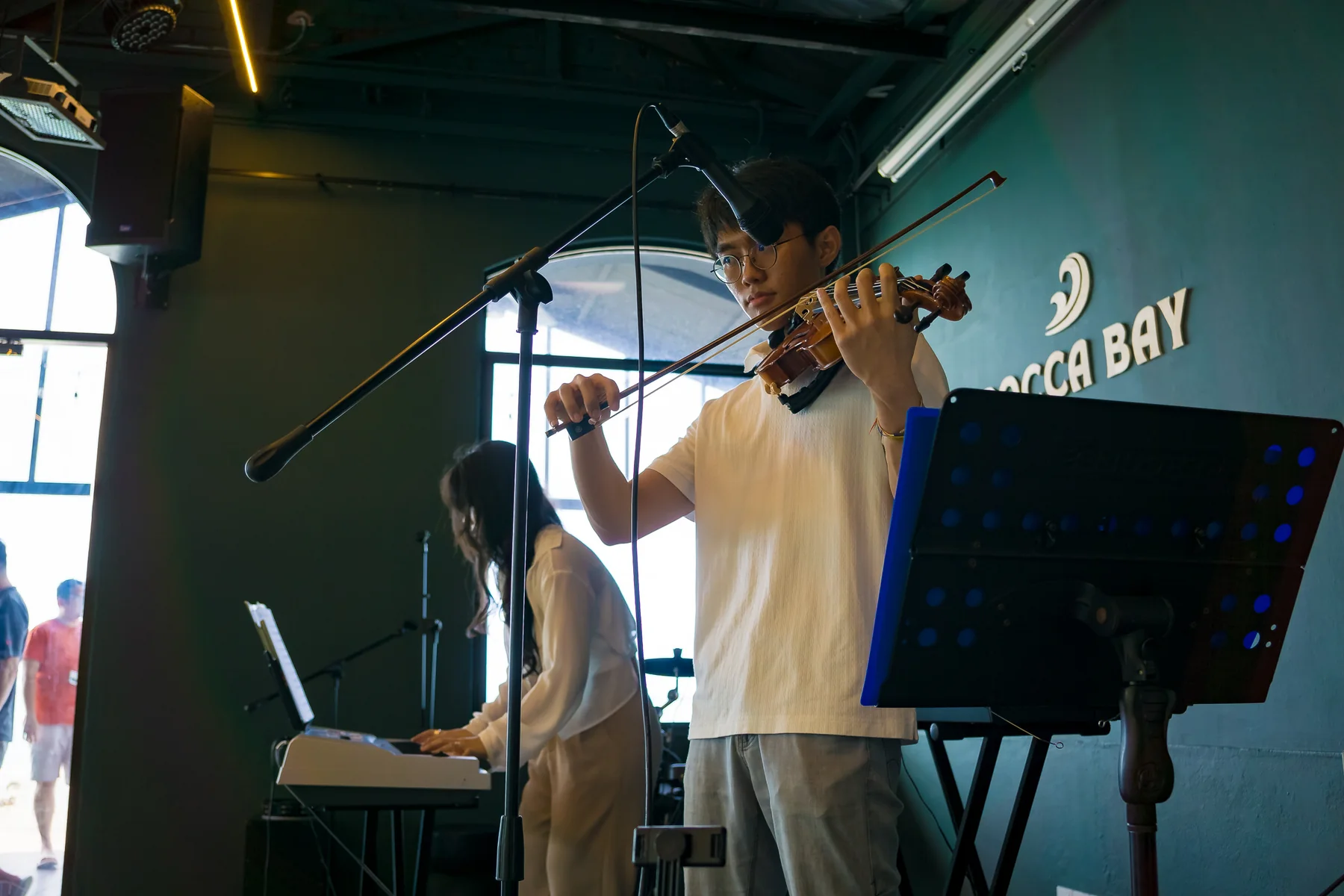
For parents considering violin lessons Penang, the question is often less about finding a “perfect” age and more about noticing whether a child is ready for a small, repeatable musical routine. The violin can become part of a child’s week at many different starting points. What matters is choosing a beginning that feels manageable for the family, respects the child’s interest, and leaves room for curiosity rather than pressure.
Age can help frame expectations, but it should not be treated as a pass-or-fail test. A young child may enjoy short, playful musical exploration, while an older child may arrive with stronger concentration and a clearer personal reason for learning. Both can be meaningful places to begin. Instead of asking only “How old should my child be?”, parents can look at the habits and support that will make the first months feel positive.
Look for readiness in everyday behaviour
Readiness is usually easier to spot at home than on a calendar. Does your child show interest when they hear music, copy rhythms, sing tunes, or ask how instruments make sounds? Can they listen to a short set of instructions and return to an activity after a distraction? These are useful observations—not requirements. They help you decide whether an introductory experience feels enjoyable now or whether waiting could make it calmer.
Physical comfort is another practical consideration. A child needs to be able to hold and handle an instrument comfortably enough to explore it without strain. Rather than making assumptions based on age alone, parents can discuss comfort, posture, and instrument fit with the lesson provider. This is especially helpful when arranging a violin class for kids Penang, since early sessions can be approached as a chance to observe how the child responds.
- Interest: your child is curious about the violin, music-making, or trying a new creative activity.
- Attention: they can engage with one activity for a short, age-appropriate period, even if they need breaks.
- Routine: the household can protect a modest, regular moment for listening, practice, or review.
- Encouragement: an adult can offer gentle reminders without turning every session into a negotiation.
- Comfort: your child can tell you when something feels awkward, difficult, or exciting.
Choose the right first experience, not a race to progress
For a younger beginner, a good start may centre on listening, rhythm, simple movement, and becoming familiar with the instrument. The goal is not to predict how quickly they will advance. It is to discover whether regular contact with the violin holds their attention. Children often need time to become comfortable with new sounds and unfamiliar movements; that adjustment is part of learning, not a sign that they have started too early or too late.
Older children, teenagers, and adults can begin with a different advantage: they may be able to describe what they hope to play, ask focused questions, or take greater ownership of a practice plan. That does not make their path better; it simply means the first lessons can be shaped around different motivations. Families seeking beginner violin lessons Penang can ask how initial activities are adapted to the learner’s confidence, prior music exposure, and goals.
It also helps to separate a child’s enthusiasm for a performance video from a commitment to a long-term hobby. Interest can be genuine even when it is new. Give it a respectful trial period, notice what the child talks about afterwards, and revisit the decision together. A quiet child who enjoys listening closely may be just as ready as an energetic child who wants to play immediately.
Plan the family routine before the first lesson
A thoughtful start includes the practical side. Consider where the violin will be kept, when a short practice or listening window could happen, and which adult will help establish the habit. In busy Penang family life, a sustainable routine may matter more than an ambitious one. Linking music time to an existing part of the day—after homework, before dinner, or during a quieter weekend moment—can make it easier to remember.
Parents do not need to become violin experts to be supportive. A simple question such as “What did you enjoy today?” may be more useful than correcting every note. When frustration appears, acknowledge it and help the child return to a small next step. If the schedule changes during school terms, family visits, or festive periods, it is reasonable to adjust the routine rather than framing a missed session as failure.
If several activities are already competing for time, consider whether this is the season to add something new. Starting later is a valid choice when the household is stretched. Conversely, a child does not need to wait until every week is perfectly organised. The aim is a realistic pattern that gives learning a fair chance.
Questions that lead to a better fit
Before enrolling, parents can ask practical questions about what a first session is like, what to bring, how a beginner is introduced to the instrument, and what kind of home follow-up is useful. These questions keep the conversation focused on fit rather than promises. They can also help a child know what to expect, which may reduce uncertainty on the day.
It is sensible to share relevant learning preferences: whether your child responds well to demonstrations, enjoys games, is hesitant in new settings, or has previously tried another instrument. There is no need to label a child as naturally musical or not. A beginning lesson is an opportunity to learn about their response. Parents who want an overview of the learning option can also visit the violin lessons page before deciding what to ask.
A good age is the age that supports a good beginning
There is no universal birthday that makes someone ready to learn violin Penang. A suitable time is one when the learner has some curiosity, the family can offer calm encouragement, and the first steps can be kept appropriately small. If those ingredients are present, a beginning can be explored with openness. If they are not quite there yet, waiting and returning to the idea later is equally thoughtful.
For families exploring violin lessons Penang, Expressivo Music & Art Studio welcomes a calm conversation about your child’s interests and your practical questions. To make an enquiry, please contact the studio.