Toddler Music Classes in Penang: What Happens in a First Music Class?
A calm, parent-friendly guide to observing a first toddler music class in Penang, preparing with ease, and choosing the next step confidently today.
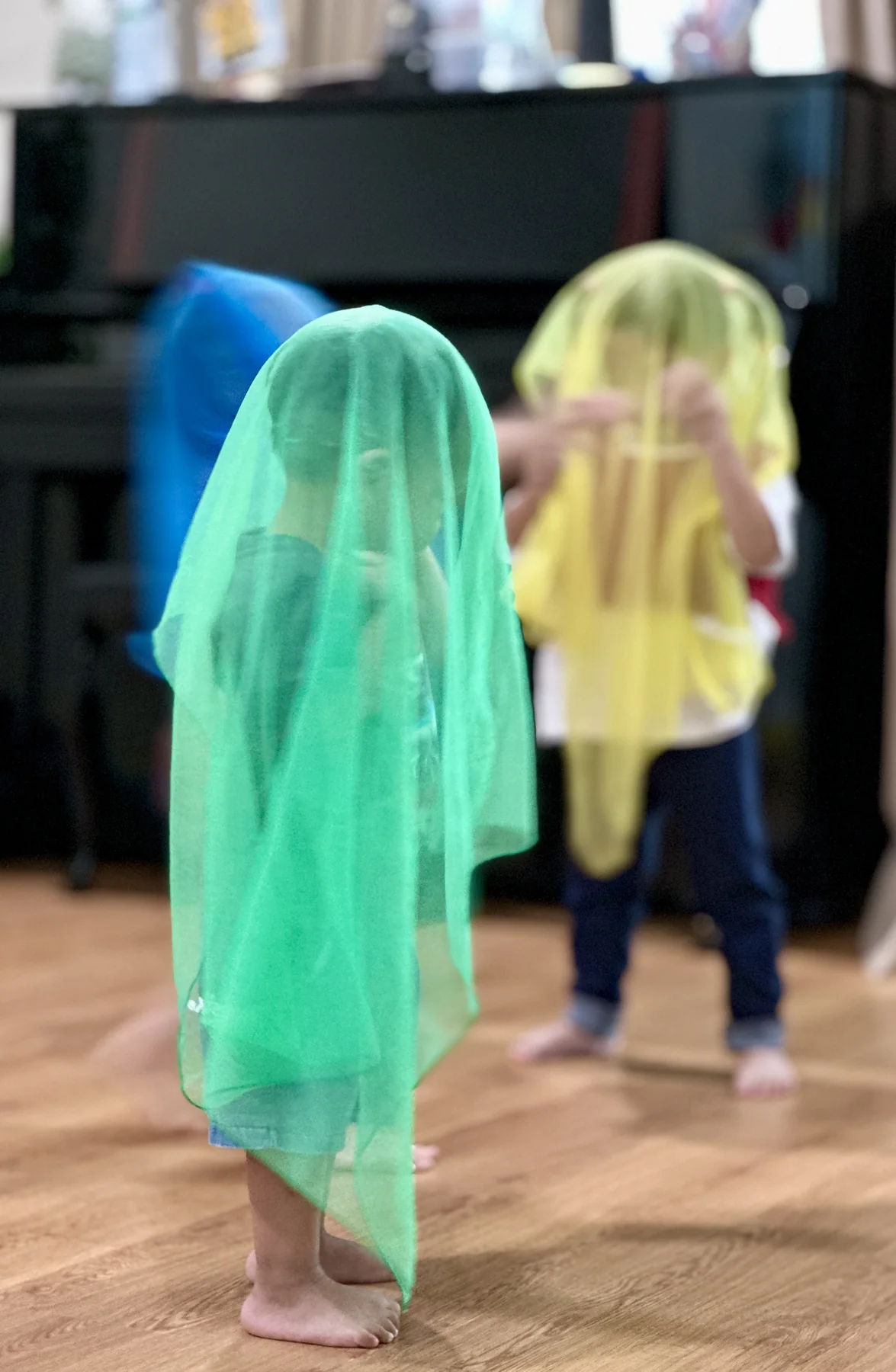
A first music class can feel like a small expedition: a different room, new faces and sounds that arrive before a toddler has decided how they feel about them. For parents considering toddler music classes Penang, it helps to treat that first visit as an observation opportunity rather than a test of confidence, rhythm, speech or readiness.
Think of the first class as a listening visit
Toddlers meet music with their whole body. One child may move straight towards an instrument, another may prefer a lap for several minutes, and another may watch every detail before joining in. These responses do not need to be corrected or compared. Look at the room through your child’s eyes: Is there space to move? Is the sound level comfortable? Can a parent stay close? Does the atmosphere leave room for a child to take part in their own way?
This view also makes the visit easier on you. A useful decision does not depend on whether your child smiles immediately or copies every action. Instead, ask whether the format gives your toddler a gentle way in and whether you can imagine returning without turning the outing into a weekly struggle. A music class for toddlers Penang families choose can become part of their regular rhythm, so comfort and practicality matter as much as the activities.
What a first session may feel like
For parents researching early childhood music Penang, search results often lead to pictures of children sitting together or shaking instruments. The experience may be more fluid than that image suggests. A session might move between a welcome, songs, listening, movement, simple instruments and a calm close.
Rather than expecting a fixed timetable, you may encounter familiar musical building blocks such as these:
- A repeated hello or goodbye song that makes the room feel recognisable over time.
- Clapping, tapping or rocking that lets a child feel a pulse without needing to explain it.
- Movement with scarves, props or open space, where joining can be energetic or quietly observant.
- Short call-and-response sounds that invite a toddler to listen, imitate or simply hear a contrast.
- Simple instrument exploration, with an adult nearby to model gentle handling and turn-taking.
- A pause for listening, tidying or settling, which may be as useful as a lively moment.
Try not to measure participation only by visible action. A child who watches a song closely, follows a parent’s beat with a foot, or returns to a favourite sound later has still been part of the musical environment.
Notice the adult-child partnership
For many toddlers, the most reassuring feature of a new activity is not the song itself but a familiar adult who is willing to join. You might sing softly even if you do not know every word, hold a hand during a transition, or sit nearby while your child surveys the room. Consider whether the approach makes that partnership feel natural instead of asking you to push your child ahead of their comfort.
Notice the expectations on adults, too. Are instructions clear enough to follow in the moment? Are there simple ways to participate if you arrive tired after work or are managing more than one child?
Make the Penang practicalities part of the choice
A promising class can lose its appeal if getting there feels rushed every week. Before a first visit, think through your real route: parking, lift or stair access, rain, a change of clothes after a warm outing, and timing around meals or naps. In Penang’s heat and sudden showers, a small water bottle, a familiar comfort item and clothing that allows easy movement can make arrival calmer.
There is no need to overpack. Give yourself a few unhurried minutes at the door if possible.
Ask questions that support a good family fit
A first visit is also a chance to ask practical, open-ended questions. You could ask how a child is welcomed when they prefer to observe, what adults are generally invited to do, how transitions are approached, and what to bring or wear. You can also ask how the class environment accommodates different temperaments without assuming there is one right way to participate. These questions are more useful than trying to predict an outcome from a single session.
Some parents search specifically for Kindermusik Penang. If that term is part of your research, use it as a prompt to look beyond the label. Ask what the actual first-class experience involves, how adult participation is approached and whether the setting suits your child. Names and activity lists can guide a search, but your observations on the day are what turn information into a family decision.
Reflect after the class, not at the doorway
Once you are home, give the experience a little time. Your toddler may talk about a sound, repeat a gesture at dinner, ask for a song again, or say very little. You can reflect on three questions: Did my child have a route into the room? Did I feel able to support them without pressure? Can our household realistically make this part of the week? Your answers may be clearer after the rush of travel and settling has passed.
If you are comparing options, write down one or two observations rather than ranking every detail. Perhaps one setting felt spacious, one had a welcoming routine, or one timing suited your family better. For an overview of options to consider, see the toddler and kids music classes page. The best next step is one that respects your child’s current temperament and your family’s actual rhythm.
Choosing toddler music classes Penang families can return to
In the end, a first class is not a verdict on musical ability. It is a chance to find out whether shared songs, movement and listening feel like a positive place to return to. When you choose toddler music classes Penang parents can approach with realistic expectations, look for a setting where curiosity is welcome and practical details are workable. If you would like to ask about a first visit or discuss what may suit your family, contact Expressivo Music & Art Studio for a calm, no-pressure enquiry.