Piano Lessons in Penang: A Beginner’s Guide for Parents
A practical guide for Penang parents choosing a first piano class, setting up practice, and making music a positive, sustainable part of family life.
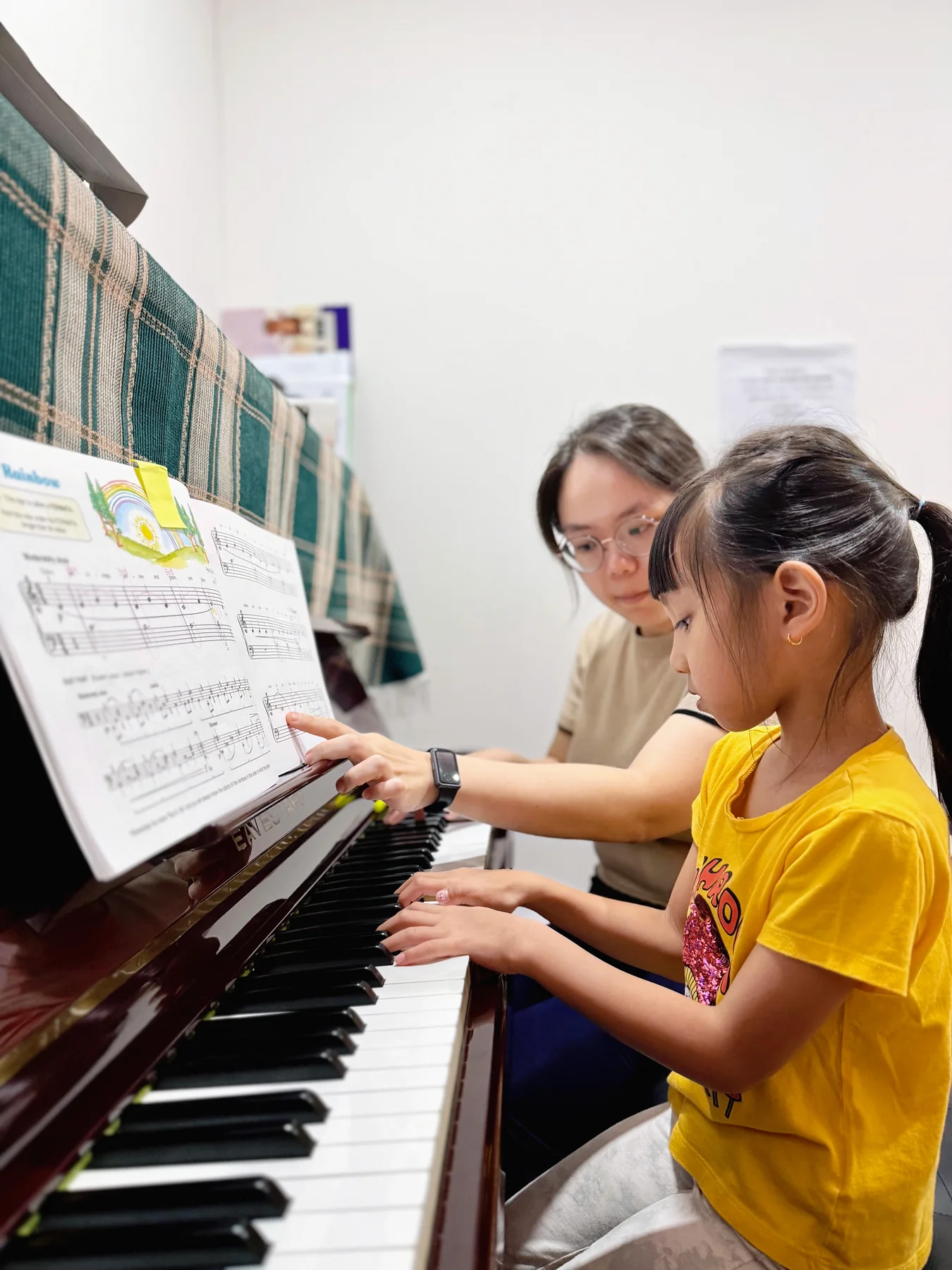
Choosing piano lessons Penang families can feel good about is less about finding the “perfect” starting age or the fastest route through a book. It is about making a thoughtful first commitment that fits your child, your household rhythm, and the relationship with music you hope to nurture. A beginner’s first months are a time to notice interests, establish simple routines, and learn how a parent can encourage without taking over.
Begin with the family question, not the instrument question
Before comparing studios, ask what you would like music to mean in your home. Perhaps your child already picks out tunes, enjoys singing, or is curious after seeing a keyboard at school. Perhaps you would like them to have a creative activity beyond screens and homework. Each is a reasonable start. The answer need not be a grand ambition; it can be regular time to listen, try, and notice sound.
This framing helps when enthusiasm shifts from week to week. Rather than treating a reluctant practice session as a verdict on piano, observe what makes it easier: a familiar song, a quieter part of the day, a smaller goal, or reassurance that mistakes belong in learning. Your role is to make the start workable, not to turn the living room into a test room.
What to look for in a first piano class for kids in Penang
When assessing a piano class for kids Penang parents are considering, a first lesson setting should give enough information to decide whether its approach feels right for the family. Ask how early learning is introduced: through listening, rhythm, reading, movement, repertoire, technique, or a combination. There is no single format for every beginner. The useful question is whether the activities make sense for your child’s interests and whether you understand how to support what happens between lessons.
Consider the practical experience too. Think about Penang traffic, the transition from school or tuition, parking, and the energy everyone has left at the chosen time. A nearby option that feels calm may serve a family better than an arrangement that repeatedly creates rushing. If you are exploring a piano lesson option in Penang, use the first conversation to describe these realities rather than an ideal schedule.
- Ask what a typical beginner session may include and how progress is communicated to parents.
- Find out what is expected at home, including whether a keyboard or acoustic piano suits the beginning stage.
- Discuss the music your child enjoys and whether familiar pieces can sit alongside new material.
- Clarify practical matters that affect your household, including communication and what to do when plans change.
Create a small, realistic home music corner
Families sometimes postpone beginner piano lessons Penang-wide because they picture a formal practice room. A more useful question is whether there is a reliable place where a child can sit, hear the instrument clearly, and return to it without a major setup. A modest keyboard can support a beginning routine if it suits the family’s space; when considering an acoustic piano, include the home environment and its practical care in your decision.
Keep music and assignment notes easy to find. Good lighting and a seat at a sensible height make the space more comfortable. In a Penang home where rooms serve several purposes, routine matters more than an elaborate corner. Removing small barriers—searching for books, moving bags, or waiting for a device to charge—can make a short musical moment more inviting.
Make practice an invitation, not a negotiation
For beginners, “practice” need not mean a long, silent session. It can begin with opening the book, clapping a rhythm, replaying a short passage, or listening for a change in sound. Agree on a regular cue in the day—after a snack, before dinner, or during a quieter weekend window—then keep the first expectation modest and clear. Consistency is easier to protect when the task is specific.
Use neutral, observant language. “Can you show me the part you worked on?” invites sharing more readily than “Did you practise?” If a child wants an audience, listen to one small section; if they prefer space, respect that too. Avoid correcting every detail unless you have been asked to help. Lesson notes can guide you, while the parent-child relationship remains separate from the teaching role.
Let repertoire start conversations
Children often connect with piano through music they recognise: a film song, a festive tune heard at family gatherings, a melody from school, or a piece an older sibling plays. Share these preferences with the studio. They offer useful context and help parents listen with genuine curiosity at home. Alongside new pieces, play recordings from different eras and traditions. Ask which sounds your child notices, rather than whether they are “good” at music.
For multilingual households, music can be a welcoming shared activity. A parent or grandparent may not read notation yet can clap a pulse, hum a tune, or ask what a title brings to mind. This is a meaningful way to participate without making learning a performance review. It also gives the child’s musical taste room to emerge.
Piano can be a beginning for adults too
Parents researching for a child sometimes find themselves wanting to start as well. adult piano lessons Penang learners consider can follow the same practical mindset: choose a personally relevant goal, protect a regular window, and be honest about your preferred styles. Starting alongside a child can be enjoyable, but it does not require comparison. Each person may have a different piece, pace, and reason for playing.
If several people in the household are interested, decide how the instrument will be shared and keep expectations kind. A family music corner can support listening and exploration for everyone, not just the person whose name is on the lesson schedule. That atmosphere may matter more than measuring who advances first.
A calm next step with Expressivo
The best first step is one that gives your family clarity: what you hope to explore, what setup you can manage at home, and what support feels useful. Expressivo Music & Art Studio welcomes enquiries from parents who would like to discuss these considerations before choosing a path. For a no-pressure conversation about piano lessons Penang families can shape around their circumstances, contact Expressivo.