Drum Lessons in Penang: A Practical Beginner Guide for Children
A parent-friendly guide to choosing drum lessons in Penang, setting up early practice at home, and helping children begin with comfort and curiosity.
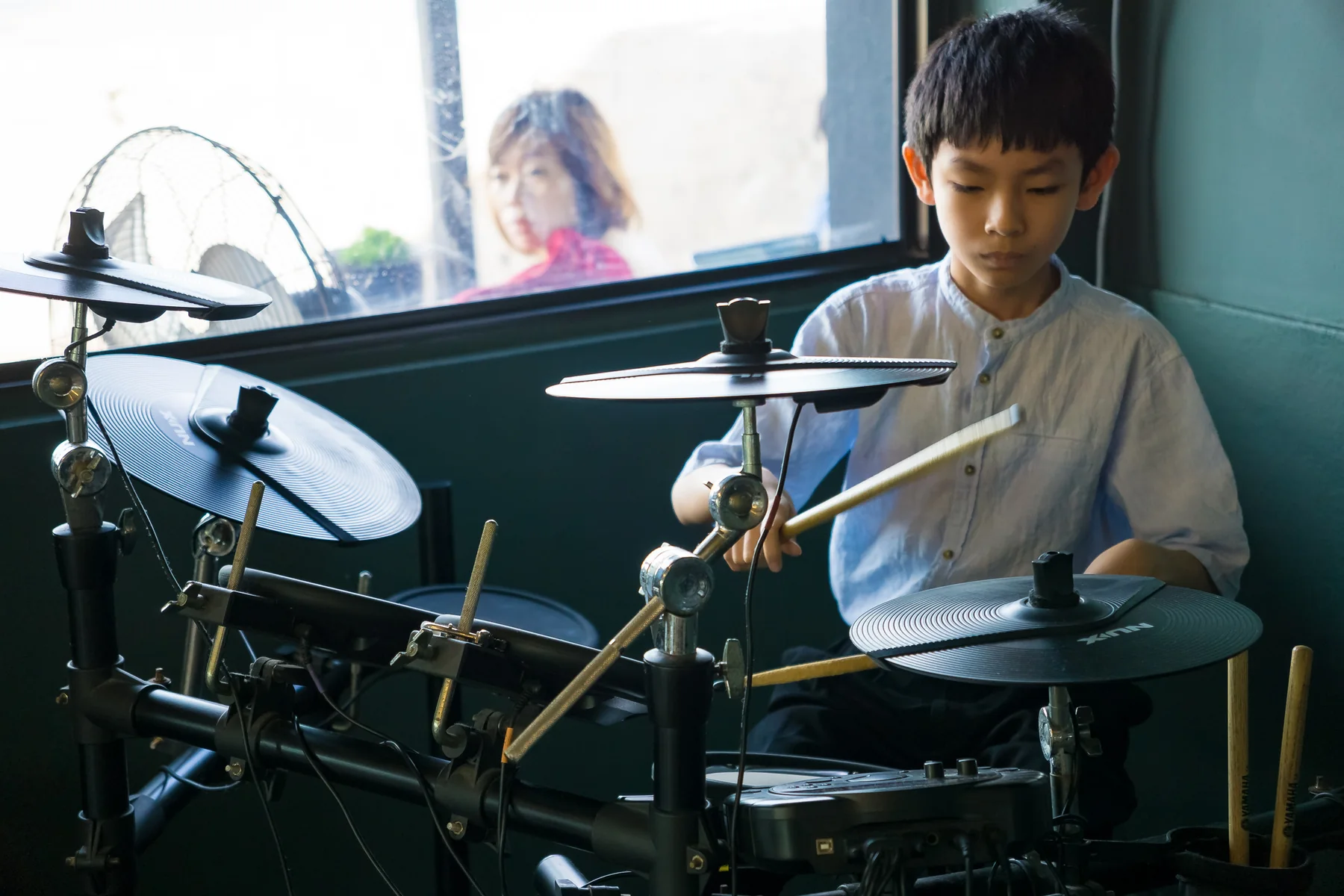
For many children, drums are appealing because the connection between movement and sound is immediate: tap, listen, repeat. For parents considering drum lessons Penang, the useful first question is not whether a child already has a ‘good sense of rhythm’. It is whether the learning setting, instrument choice and home routine feel manageable for the family. A thoughtful start keeps the focus on listening, coordination and musical curiosity rather than on rushing towards a performance.
Begin with the child’s musical entry point
Children arrive at a first lesson with different reference points. One may copy a beat from a favourite song; another may enjoy keeping time in school activities; another may simply be drawn to the physical energy of percussion. Tell the teacher what the child notices and enjoys, then consider whether the approach feels inviting and clear.
A beginner does not need to own a full acoustic drum kit before starting. It can be more sensible to first understand what the child will be learning: pulse, simple patterns, stick handling, listening and playing in time with others. The right choice depends on space, sound levels, budget and how often the setup will realistically be used.
Choose a learning format that suits your household
A drum class for kids Penang can look quite different from one family to another. In an individual setting, a child may have more room to work at a personal pace and ask questions. In a small group, they may enjoy hearing how rhythms fit together and taking turns. Neither format is automatically better; parents can consider how their child responds to attention, waiting, shared activities and new environments.
It also helps to discuss the practical frame before committing. Ask what equipment is used during class, whether a parent may observe an introductory session, and what a simple home-practice suggestion might look like. They help the household picture the experience clearly. For an overview of lesson options and a useful next step, see the drum lessons page.
What a beginner is really learning
Early drumming is often less about collecting difficult beats and more about making deliberate musical choices. A child may learn to find a steady pulse, notice when a sound is loud or soft, count a short pattern, stop together with a cue and listen before playing again.
Parents do not need to correct every detail at home. Instead, they can notice what the child can explain: which hand begins a pattern, where the beat sits, or what changed when they played more quietly. A child who can describe a small idea is engaging with the lesson, even if the pattern is not yet smooth. This keeps conversations about practice specific and encouraging without turning the home into another classroom.
Set up practice for real Penang homes
In Penang, home arrangements vary widely, from landed houses to apartments and shared family spaces. A practice plan should respect the people nearby. A rubber pad, low-volume electronic setup, headphones where appropriate, or a designated daytime corner may be easier to maintain than an instrument that creates tension at home. Consider storage as well: sticks, a pad, a stand and a notebook are simpler to return to when they have one reliable place.
Rather than promising a rigid daily schedule, choose a repeatable cue in the week: after a snack, before a familiar activity, or at another calm moment. The goal is a short opportunity to revisit one idea from class. On busier school weeks, listening to the assigned rhythm, tapping it on a cushion or clapping the count can still keep the material familiar. Consistency should be realistic enough that it survives school events, family visits and changing routines.
- Keep the first home setup modest: sticks and a practice surface are often enough to begin exploring lesson ideas.
- Agree on where playing happens and which hours are considerate for neighbours and family members.
- Ask the child to demonstrate one small pattern instead of requesting a long practice session.
- Use a notebook or simple recording to remember the week’s rhythm, listening task or question for the next class.
Listen for comfort, not instant polish
When reviewing beginner drum lessons Penang, observe the child’s response over more than one visit. Do they understand what they are being asked to try? Can they pause and listen when prompted? Do they leave with one clear idea to revisit? Beginners often need reminders about posture, grip or counting. What matters to a parent’s decision is whether instructions are understandable and whether the child can approach the next small step without feeling overwhelmed.
It is equally useful to distinguish enthusiasm for drums from readiness for a particular setup. A child may love rhythm but find large, loud equipment distracting at first. Another may enjoy hands-on playing but prefer a quieter practice surface at home. Children percussion classes Penang can provide a way to explore these preferences, but a family can also begin by noticing how the child engages with simple, repeatable sounds.
Make conversations with the teacher more useful
Before or after a lesson, parents can share practical information that shapes the experience: music the child chooses at home, sensitivities about noise in the household, an upcoming school commitment, or whether the child tends to ask for demonstrations or verbal explanations. In return, ask for one observation and one manageable focus for home. This is more actionable than asking only whether the child is ‘doing well’.
Keep the first few months flexible enough to learn what works. If a practice tool goes unused, the solution may be to change where it is stored, simplify the task or link it to a familiar routine. If the child talks most about playing with others, ask about opportunities to work on listening and ensemble awareness. The best family plan is one that turns those observations into modest adjustments.
A calm next step for families in Penang
Choosing drum lessons Penang is a practical family decision as much as a musical one. Start with a setting that feels comfortable, keep the home setup considerate, and use each lesson to discover what helps your child listen and participate. If you would like to discuss a suitable starting point for your child, Expressivo Music & Art Studio welcomes a calm enquiry through the contact page.